
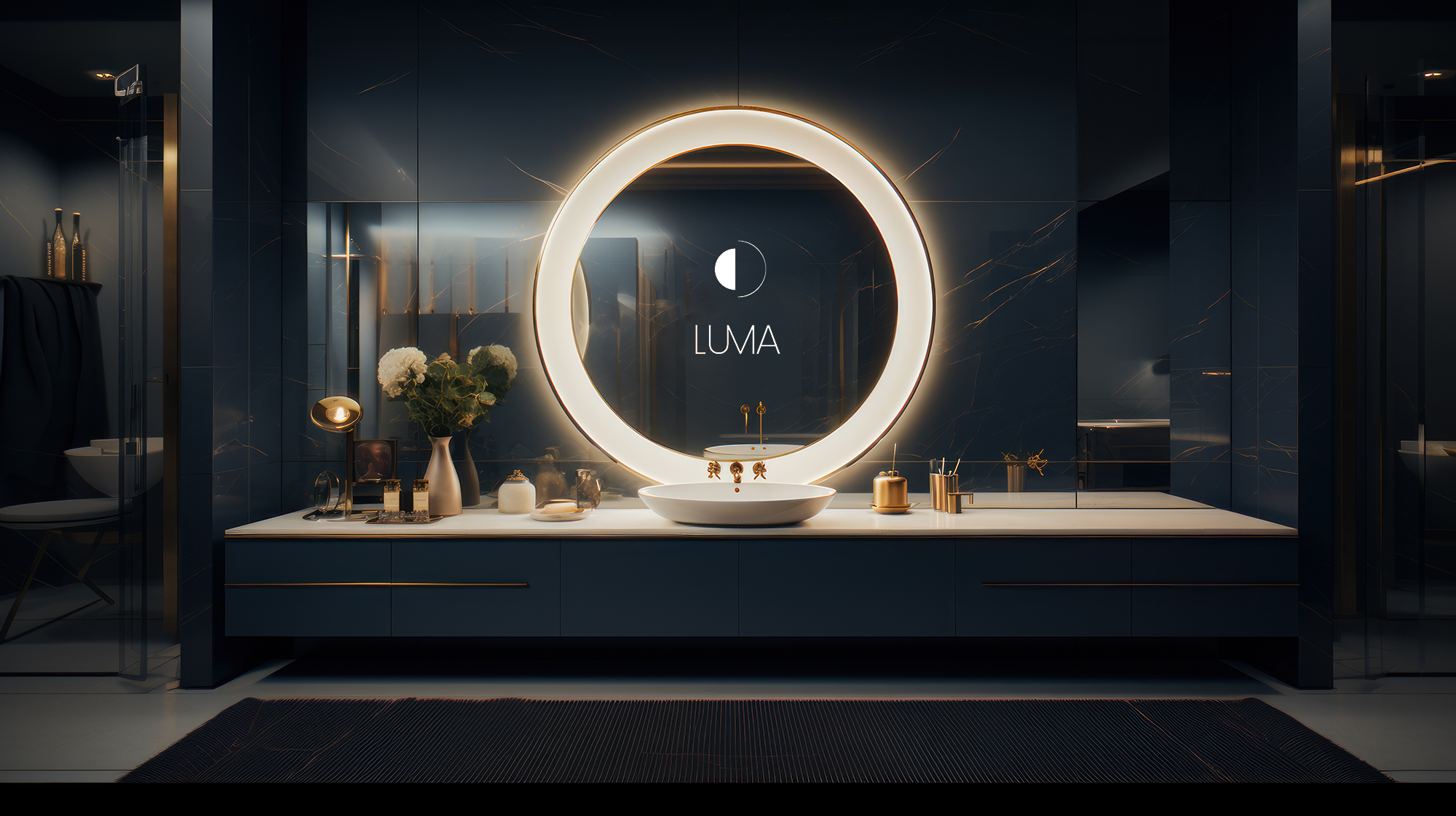
In modern hotel bathrooms, clarity and lighting quality play a crucial role in shaping the guest experience. One of the most persistent frustrations for guests is a fogged mirror after a hot shower, an issue that disrupts grooming, slows down morning routines, and creates an impression of inconvenience. As guest expectations rise and hotel bathrooms become more design-driven, fog-free mirrors are no longer seen as an added luxury but an operational and experiential necessity.
This is why demisters have become standard in the bathrooms of four- and five-star hotels, as well as in premium cruise ship cabins. A demister ensures that the mirror remains clear at all times, regardless of humidity levels or room size. When paired with high-quality LED illumination, these mirrors offer guests both functional clarity and a clean, modern aesthetic that aligns with today’s hospitality standards.
LED mirrors with integrated demister pads are now one of the most effective solutions for improving bathroom usability, enhancing grooming comfort, and reducing guest complaints. They also support hotel operations by reducing fog-related housekeeping delays and maintaining consistent quality across large room quantities.
In this guide, we will explore everything designers, specifiers, contractors, and hotel operators need to know from performance and safety requirements to energy efficiency, long-term maintenance, specification rules, and common mistakes to avoid when choosing LED demister mirrors for hotel bathrooms.
What Is a Demister and Why Hotels Need It
A demister is a thin heating pad installed behind the mirror to keep the glass warm enough to prevent condensation. When the bathroom fills with steam during a hot shower, the demister maintains a consistent temperature on the mirror surface, stopping fog from forming and keeping the reflection clear at all times.
Hotel bathrooms require a higher-performing demister than the versions used in residential homes. Residential demisters are typically smaller, lighter, and designed for occasional use. Hospitality-grade demisters must withstand constant humidity, daily guest turnover, frequent cleaning, and long operating hours, especially in busy properties or cruise ship cabins.
Humidity levels in hotels tend to be higher because of quick room turnover, strong extraction systems that interact with shower steam, compact bathroom layouts, and continual cleaning cycles. Without a reliable demister, mirrors fog quickly and stay unusable for several minutes.
Clear visibility immediately after a shower is essential for guest comfort. It allows guests to shave, apply makeup, or prepare for the day without delay. A fog-free mirror creates a smooth, premium experience and contributes to the overall sense of quality in the bathroom.
The Science Behind Anti-Fog Technology
Demisters use a thin heating film placed behind the mirror to create a gentle, uniform temperature across the surface. By keeping the glass slightly warmer than the surrounding air, the heating film prevents steam from condensing on the mirror. This even distribution of warmth is essential, because any cold spots would create patches of fog.
Fog forms when warm, humid air meets a cooler surface. In hotel bathrooms, steam from showers quickly settles onto the mirror, creating a layer of condensation that blocks visibility. A demister prevents this by maintaining a stable surface temperature so moisture cannot collect.
LED systems and demister pads are designed to work together safely. The LED circuits and power drivers are sealed, moisture-resistant, and separated from the heating zone to avoid overheating or electrical interference. Quality hospitality-grade mirrors use insulation layers and controlled wiring routes to ensure long-term reliability in wet environments.
A common myth is that LED lighting alone can prevent fogging. LEDs produce very little heat, so they cannot warm the mirror enough to stop condensation. Only a dedicated demister pad can provide consistent, fog-free clarity in hotel bathrooms.
Demister Performance Requirements for Hotels
1. Wattage and Heating Efficiency
Demisters for hotel bathrooms must deliver reliable, even heating without excessive energy use. The wattage of a demister pad determines how quickly the mirror reaches a clear, fog-free surface and how efficiently it maintains that clarity.
- Typical wattage ranges
Most hospitality-grade demisters fall between 12W and 60W, depending on the mirror’s dimensions. Smaller mirrors require less power, while large mirrors or wide vanity installations need higher wattage to heat the full surface area.
- Choosing the right watt density for mirror size
A demister should be matched to the size of the mirror, not selected as a one-size-fits-all solution.
Compact mirrors benefit from lower watt density pads that heat rapidly.
Medium and large mirrors require a higher-density pad or multiple pads to ensure consistent heating.
Oversized mirrors in suites or cruise ship cabins may need zoned heating to avoid cold areas.
Correct watt density ensures the mirror clears quickly after a shower and stays clear throughout guest use.
- Avoiding hot spots
High-quality demister pads distribute heat evenly. Poorly designed pads create hot areas in the centre and cooler areas around the edges. This results in patchy demisting and can shorten the lifespan of the mirror. Hospitality-grade demisters use stable, controlled heating elements and proper insulation to maintain consistent surface temperature and avoid hot spots.
2. Coverage Area
Demisters are available in two main formats: full-pad coverage and partial-pad coverage. The choice between these has a direct impact on guest experience, energy performance, and visibility consistency in hotel bathrooms.
- Full-pad demisters
A full-pad demister covers most of the mirror’s surface, providing uniform heating from top to bottom. This ensures that the entire central viewing area remains clear, even in high-humidity bathrooms or after long showers. Full coverage is particularly beneficial for large mirrors above wide vanities or double basins, where guests may use different sections of the mirror at the same time.
- Partial-pad demisters
A partial-pad demister heats only the central portion of the mirror. This creates a clear viewing zone while leaving the outer edges unheated. Partial pads are suitable for smaller mirrors or for projects where energy efficiency is a higher priority. However, in larger mirrors, partial pads may leave visible fog around the perimeter, which can reduce the sense of quality.
- Which option is best for hotel bathrooms
Most hotels prefer full-pad demisters because they guarantee clarity across the entire mirror and support a premium guest experience. Full coverage is also more suitable for luxury and upper-midscale hotels, where design consistency and usability are crucial. Partial-pad versions are generally selected for compact bathrooms, economy segments, or cruise ship cabins where space is limited and energy control systems are already in place.
3. Safety, Moisture Protection and Certification
Hotel bathrooms are high-moisture environments, and LED mirrors with demisters must meet strict safety and durability requirements. Correct protection and certification ensure long-term performance, prevent electrical hazards, and maintain compliance across large hospitality projects.
- Why IP44 or IP65 ratings matter
Ingress Protection (IP) ratings indicate how well the mirror’s electrical components are protected against water and dust.
IP44 is suitable for most hotel bathroom zones, providing resistance against splashes from any direction.
IP65 offers a higher level of moisture protection and is often used in environments with more intense humidity or direct water exposure, such as compact cruise ship bathrooms.
Choosing the correct IP rating ensures the mirror’s LED drivers, wiring, and demister pads remain safely sealed throughout their lifespan.
- Insulation and fire-rated components
Hospitality-grade mirrors require insulation layers that separate the demister pad, LED modules, and electrical connections. High-quality mirrors use fire-rated backing materials and protected cables to minimise heat transfer and meet safety regulations. This construction prevents overheating, protects the wall substrate, and ensures compliance with hotel electrical codes.
- Cruise ship moisture and vibration considerations
Cruise ship cabins present additional technical challenges. Bathrooms are smaller, humidity levels rise quickly, and vibration from ship movement can loosen poor-quality fittings. Marine-grade mirrors require:
Enhanced moisture sealing
Reinforced brackets
Vibration-resistant wiring and drivers
Higher corrosion resistance due to salt exposure
These requirements ensure that LED mirrors with demisters remain stable, safe, and functional throughout the vessel’s operating life.
4. Low-Energy Demisters for Sustainable Hotels
Energy efficiency is an important priority for hotel operators, especially in large properties where small daily savings can result in substantial long-term reductions. Low-energy demisters are designed to deliver the same fog-free clarity while reducing overall power consumption.
- Energy-saving pad options
Modern demister pads are available in low-energy versions that use significantly less wattage than traditional heating films. These pads:
Warm up quickly, reducing total operating time
Maintain the required temperature for clear visibility without excess heat
Lower the energy load across large room sets
Help hotels meet sustainability targets and reduce carbon footprint
A low-energy demister is particularly valuable in properties with continuous guest turnover, high humidity levels, and frequent bathroom use.
- Integration with room control systems or PIR sensors
Demisters can be optimised further by pairing them with smart control systems. Options include:
Connection to room management or BMS systems so the demister operates only when the room is occupied
PIR motion sensors that activate the mirror’s lighting and demister when a guest enters the bathroom
Timed shut-off functions that prevent the demister from running longer than necessary
These integrations reduce unnecessary energy consumption, protect the longevity of the demister pad, and align with the growing focus on environmental responsibility in modern hospitality design.
How LED Lighting Enhances the Performance of Demister Mirrors
LED lighting plays a major role in how effectively a demister mirror performs in a hotel bathroom. Even if the demister keeps the surface completely clear, poor lighting can still make the mirror appear dull or uneven. The right lighting specification ensures that guests experience both clarity and visual comfort.
Why lighting quality affects perceived clarity
A fog-free mirror does not guarantee good visibility on its own. If the lighting is too dim, uneven, or overly cool, the reflection will look flat or distorted. High-quality LED illumination enhances the crispness of the reflection, helps guests see natural skin tones, and reinforces the feeling of a clean, premium bathroom environment.
CRI, Kelvin and diffusion systems
Several lighting factors influence how a demister mirror performs:
- A high CRI value, ideally above 90, helps guests see accurate colours and details.
- Kelvin temperature must match the bathroom palette, with warm, neutral or cool options depending on the design.
- Proper diffusion prevents bright spots and distributes light evenly across the mirror surface.
These elements work together to produce a balanced and functional reflection that complements the demister’s clarity.
Front-lit versus backlit performance when paired with demisters
Front-lit mirrors provide direct illumination onto the face, which works well with demisters by minimising shadows created by steam. Backlit mirrors create an ambient halo around the mirror and can enhance the atmosphere of the bathroom. Many hotels use a combination of both for improved visibility and a more luxurious look.
Avoiding shadowing after demisting
Even after the mirror is cleared by the demister, poor lighting or uneven placement can create new shadows that reduce visibility. Correct LED positioning and diffusion ensure that light reaches the guest evenly from all angles. This is particularly important in premium hotels where consistent visual quality is essential.
Energy Efficiency of LED Mirrors with Demisters: What Hotels Should Know
Energy performance is one of the most important considerations for hotels specifying LED mirrors with demisters. A single mirror may not seem significant on its own, but when multiplied across large room sets, even small design choices can have notable long-term cost and sustainability implications.
Typical consumption per mirror
Demister pads generally consume between 12W and 60W, depending on the size of the mirror and the area the pad is designed to heat. Smaller mirrors or partial-coverage pads use less energy, while large mirrors above double vanities require higher wattage to maintain full clarity. LED lighting itself is highly efficient, which helps offset the overall energy load.
Timers, sensors and smart control options
Smart activation significantly improves energy performance. Hotels can integrate:
- Timers that switch off the demister after a set duration
- PIR motion sensors that activate the lighting and demister only when the guest enters the bathroom
- Room control systems or BMS systems that limit demister use to occupied rooms
These solutions prevent the demister from running unnecessarily and support energy-saving goals across the property.
Comparison between old heating pads and new low-energy versions
Older demister pads relied on higher wattage and took longer to reach operating temperature. They also wasted energy by heating more than needed. Modern low-energy pads use advanced heating films that warm up quickly, maintain stable temperatures with reduced watt density, and deliver the same fog-free clarity with less power. This makes them ideal for hotels and cruise ships aiming to reduce operational costs without compromising performance.
Long-term cost impact for large hotels
Even minor daily savings per mirror accumulate rapidly across an entire property. Over one year, a low-energy demister can significantly reduce electricity consumption, maintenance cycles, and load on electrical systems. For hotels with hundreds of bathrooms, choosing the correct demister technology can lead to substantial operational savings and support broader sustainability commitments.
How to Specify the Correct Demister Mirror
Correct specification is essential in hospitality projects because LED mirrors with demisters must perform consistently across many room types. Size, features and materials should be aligned with the bathroom layout, brand standards and technical requirements.
Size and Demister Coverage
- Vanity width rules
The mirror should normally match the width of the vanity or fall slightly inside it. A common rule is:
Mirror width equals 70 to 100 percent of the basin width
Larger suites may require oversized mirrors for visual impact and improved lighting coverage
Correct sizing ensures good proportions and prevents shadowing on the face.
- Demister size relative to mirror size
The demister pad should be chosen based on the overall dimensions of the mirror.
Smaller mirrors can use compact pads
Medium and large mirrors require wider or multiple pads for full clarity
Suites and double vanities benefit from full-pad or multi-zone demister configurations
Hotels aiming for premium consistency should avoid undersized demisters because they create clear patches surrounded by fog.
Smart Features to Consider
Smart functions improve usability, safety and energy performance. Hotels may specify:
- PIR motion sensors that activate light or night mode when a guest enters the bathroom
- Touchless controls that improve hygiene and reduce fingerprints
- DALI integration for centralised lighting control and automation
- USB or shaver socket options for guest convenience and compatibility with grooming devices
These features help hotels deliver a smoother and more modern guest experience while streamlining operational efficiency.
Material and Finish Requirements
Hotel bathrooms require materials that can withstand humidity, cleaning chemicals and frequent use.
- Frames that withstand moisture ensure the mirror remains stable and visually consistent over years
- Anti-corrosion metals for cruise ships protect against salt exposure and marine humidity
- Colour consistency across large room quantities ensures identical appearance in all guest rooms and suites
Selecting the correct finish ensures that the mirror complements bathroom materials such as marble, porcelain tiles, brushed metals or timber veneer.
Common Mistakes Hotels Make When Buying LED Demister Mirrors
Many hotel bathroom issues arise from incorrect specification rather than poor manufacturing. Avoiding the following mistakes ensures better performance and longer product lifespan.
Choosing residential mirrors for hotel environments
Residential mirrors are not designed for heavy use, high humidity or constant turnover. They often fail early when installed in hotel rooms or cruise cabins.
Overlooking IP ratings and safety zones
Incorrect moisture protection can lead to electrical issues, corrosion or product failure. Mirrors must meet IP44 or IP65 depending on the installation zone.
Using partial demisters on large mirrors
This results in clear viewing only in the center while the outer areas remain fogged. Full coverage is preferred for premium hotels and suites.
Underestimating energy impact without controls
Demisters consume more energy when left running continuously. Integration with sensors or timers significantly reduces operating costs.
Ignoring frame and coating durability in humid rooms
Failure to specify moisture-resistant finishes leads to peeling, corrosion and uneven ageing across room sets.
Mixing suppliers, causing inconsistent brightness or finishes
Different suppliers use different LEDs, diffusers and finishes. This creates variations in colour temperature, brightness and appearance across rooms, which is noticeable to guests and detrimental to brand consistency.
Why Hotels Should Choose a Professional LED Demister Mirror Supplier
Choosing the right manufacturer is essential for ensuring long-term consistency, safety and performance across an entire hotel project. Professional hospitality-focused suppliers provide far more than off-the-shelf mirrors.
Consistency Across Large Room Quantities
Hotels often require 50, 200 or even 500 identical units. A specialist supplier ensures:
- Uniform colour temperature and brightness
- Matching finishes
- Identical proportions and mounting systems
- Repeatable quality across multiple batches
This prevents mismatched mirrors, uneven lighting and ongoing replacement issues.
CAD Drawings, Prototyping and Sampling
Professional suppliers support the full design process, including:
- Detailed CAD drawings for coordination
- Prototype units for approval
- Finish and lighting samples for design alignment
- Compliance verification for electrical zones
This helps designers and contractors avoid installation conflicts and ensures the mirror fits the project’s aesthetic and technical requirements.
Controlled Batch Manufacturing
Large hospitality projects demand tight production control. A specialist provides:
- Stable component sourcing
- Controlled LED binning to maintain consistent tone
- Strict quality inspections
- Testing for demister performance and heat distribution
This level of control is essential for maintaining uniformity across hundreds of rooms.
Hospitality-Grade Safety and Certification
Hotel mirrors must meet commercial standards, not domestic ones. A specialist supplier ensures:
- IP44 or IP65 moisture protection
- Safety-backed glass
- Certified demister systems
- Electrical compliance for hotels, spas and cruise ships
These requirements protect both guests and operators.
Full Service: Survey, Installation and Aftercare
Professional suppliers offer:
- On-site surveys for accurate measurement
- Installation support
- Aftercare and maintenance guidance
- Long-term availability of spare parts
Hotels avoid costly installation issues and ensure smooth post-opening operations.
Luma’s Advantage
Luma Mirrors Luma Mirrors by Gemm London focuses exclusively on hospitality environments. Every mirror, including demister models, is designed for:
- High humidity
- Frequent use
- Marine and hotel-grade durability
- Large-scale project consistency
This provides designers and operators with confidence that each mirror meets commercial expectations.
Conclusion : Fog-Free Mirrors as the New Standard for Modern Hotels
LED mirrors with demisters have become an essential element of hotel bathroom design. They improve grooming comfort, reduce guest complaints, and reinforce the perception of a clean, modern environment. Combined with energy-efficient LEDs and smart control systems, they also support operational savings and maintenance efficiency.
As guest expectations rise, fog-free mirrors are no longer optional. They are a core feature that directly influences the experience and satisfaction of every traveller.
Hotels, cruise ships and large developments seeking high performance, durability and design consistency benefit from working with a specialist manufacturer. Luma Mirrors by Gemm London provides custom-made LED demister mirrors engineered specifically for hospitality use, backed by CAD support, consistent production, installation assistance and long-term aftercare.
Contact Luma Mirrors today to begin bespoke LED demister solutions engineered for guest comfort and long-term performance.
