
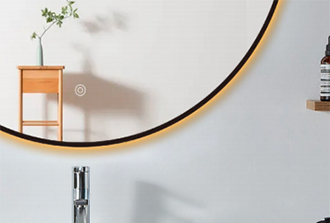
When planning LED mirror installation for hotel projects, you’ve got to take into account mirror types, space requirements, and electrical specifications. Think about user experience enhancements through smart technology and guarantee seamless integration with your hotel’s aesthetic. Prioritize maintenance factors and include durable materials for longevity. Budget for initial costs, including electrical work, and collaborate with contractors for efficiency. These key aspects can greatly elevate guest satisfaction and functionality, making your project successful as you explore further possibilities.
Key Takeaways
- Assess room dimensions and decor to determine appropriate mirror size and placement for optimal visual impact and functionality.
- Evaluate electrical requirements, ensuring compatibility, load capacity, and compliance with safety regulations for safe installation.
- Incorporate smart technology features for enhanced user experience, such as adjustable lighting and touchless controls, aligning with hotel aesthetics.
- Plan for maintenance accessibility and durability to ensure long-term upkeep of mirrors while minimizing disruption to hotel operations.
- Budget for initial costs, ongoing maintenance, and potential future upgrades, balancing aesthetic aspirations with operational efficiency.
Understanding LED Mirror Types and Features
When you’re considering an LED mirror for your space, it’s essential to understand the various types and features that can enhance both functionality and aesthetics. LED mirrors come in several forms, including backlit, front-lit, and smart mirrors, each offering unique advantages. The LED mirror benefits include energy efficiency, long lifespan, and customizable lighting options that cater to your specific needs. You can also explore LED mirror customization, allowing you to choose sizes, shapes, and additional features like anti-fog technology or integrated Bluetooth speakers. By selecting the right type of LED mirror and tailoring its features, you’ll create an innovative, stylish focal point that elevates the overall design of your space while providing practical illumination for daily tasks.
Assessing Space and Size Requirements
Before you install your LED mirror, you need to evaluate the room dimensions carefully to guarantee it fits harmoniously within the space. Consider the placement strategy, as the mirror should not only complement your decor but also optimize lighting and functionality. By reviewing these factors, you can make informed decisions that enhance both aesthetics and practicality.
Room Dimensions Consideration
Evaluating your room’s dimensions is essential for ensuring your LED mirror fits seamlessly into the space while maximizing functionality. To achieve the perfect balance of aesthetics and practicality, consider the following key factors:
- Room Size: Measure the area where you plan to install the mirror. A larger room can handle a bigger mirror, enhancing visual impact.
- Mirror Proportions: Choose mirror dimensions that complement the surrounding decor. An oversized mirror may overwhelm smaller spaces, while a tiny mirror can get lost in larger rooms.
- Functional Areas: Identify zones where the mirror will be most beneficial, such as near sinks or dressing areas, ensuring it serves its intended purpose effectively.
Mirror Placement Strategy
After considering your room’s dimensions, the next step is to devise a mirror placement strategy that maximizes both functionality and style. Start by evaluating the mirror size in relation to wall space and furniture layout; a larger mirror can create an illusion of depth, enhancing smaller areas. Positioning the mirror strategically can optimize the lighting angle, ensuring that light is reflected effectively, which can improve visibility for guests. Consider placing mirrors opposite windows or light sources to amplify natural light. Additionally, think about the height at which you mount the mirror, ensuring it’s accessible for all guests. This meticulous attention to detail not only elevates the aesthetic but also enhances the overall experience, showcasing your commitment to innovation in hotel design.
Evaluating Electrical Considerations
When planning to install an LED mirror, you need to carefully assess the power supply requirements to guarantee it matches the mirror’s specifications. Consider the wiring layout design to facilitate safe and efficient connections while adhering to safety compliance standards to protect both the installation and users. This thorough evaluation helps avoid potential electrical hazards and guarantees peak performance.
Power Supply Requirements
Understanding power supply requirements is essential for a successful LED mirror installation. You need to evaluate the power source and guarantee it meets the circuit capacity necessary to support the mirrors’ energy demands. Here are three key considerations:
- Voltage Compatibility: Determine the voltage requirements of your LED mirrors to avoid potential damage or inefficiency.
- Circuit Load: Assess the total load on the circuit to confirm it can handle the additional power needed by the mirrors without overloading.
- Accessibility: Position power sources conveniently, ensuring they’re easily accessible for maintenance and future upgrades.
Wiring Layout Design
As you plan the wiring layout for your LED mirror installation, it is crucial to take into account how the electrical components will interact with your existing infrastructure. Start by employing advanced wiring techniques that streamline installation while guaranteeing top-notch performance. Consider your circuit planning meticulously; an organized approach helps distribute load evenly and minimizes the risk of overloads. Identify the most efficient pathways for wiring, avoiding interference with other electrical systems. Utilize modular wiring solutions that allow for future upgrades or modifications, keeping your design flexible. Don’t overlook the importance of accessibility for maintenance, which promotes longevity and functionality. By prioritizing these elements, you’ll create a seamless integration of LED mirrors that enhances both aesthetics and user experience in your hotel project.
Safety Compliance Standards
Safety compliance standards play a pivotal role in guaranteeing the reliability and longevity of your LED mirror installation. To meet safety regulations and guarantee a seamless integration, consider the following key elements during your planning phase:
- Electrical Load Assessment: Determine the power requirements of your LED mirrors to avoid overloading circuits.
- Water Resistance Ratings: Choose mirrors with appropriate IP ratings for wet areas, guaranteeing they withstand moisture without compromising safety.
- Regular Compliance Checks: Schedule routine evaluations to guarantee ongoing adherence to updated safety regulations and identify any potential hazards.
Enhancing User Experience With Smart Technology
While integrating smart technology into your LED mirror installation might seem intimidating, it can greatly enhance your user experience by offering features that cater to modern needs. Smart lighting capabilities allow guests to adjust brightness and color temperature, creating the perfect ambiance for any occasion. Additionally, advanced user interaction through touchless controls or voice commands makes these mirrors intuitive and user-friendly. Imagine a mirror that can display weather updates, calendar reminders, or even connect to personal devices, all while maintaining an elegant aesthetic. These innovations not only streamline daily routines but also provide a sense of luxury that today’s travelers crave. By prioritizing smart technology, you’re not just installing mirrors; you’re elevating the entire guest experience.
Aesthetic Design and Style Integration
To create a truly enchanting space, you’ll want to seamlessly integrate aesthetic design with your LED mirror installation. Achieving design cohesion enhances the aesthetic appeal of your hotel, elevating guest experiences. Here are three key considerations:
Seamlessly integrate aesthetic design with LED mirrors to enhance your hotel’s appeal and elevate guest experiences.
- Style Compatibility: Guarantee the mirror’s frame and finish complement the overall design theme, whether it’s modern, vintage, or minimalist.
- Lighting Balance: Optimize LED brightness and color temperature to harmonize with the room’s existing lighting, enhancing both functionality and ambiance.
- Spatial Harmony: Position mirrors strategically to reflect and amplify desirable views, creating an illusion of space while aligning with your design intent.
Maintenance and Durability Factors
Maintaining your LED mirrors’ brilliance and functionality requires a proactive approach to maintenance and durability. Establishing regular maintenance schedules is essential; routine inspections help identify issues before they escalate. Focus on the material durability of your mirrors, choosing high-quality glass and weather-resistant LED components to guarantee longevity. Cleaning with non-abrasive solutions prevents scratches and preserves the reflective surface. Additionally, consider the environmental factors in your hotel’s location that may impact the mirrors, such as humidity and temperature fluctuations. By prioritizing these aspects, you not only enhance the lifespan of your LED mirrors but also ensure they consistently provide an inviting atmosphere for your guests. Invest in durability and maintenance to reflect your commitment to quality.
Budgeting for LED Mirror Installation
When planning your budget for LED mirror installation, it’s essential to account for both initial costs and long-term investments. Proper cost estimation will help you allocate resources effectively. Here are three key considerations:
- Initial Purchase and Installation Costs: Factor in the price of the mirrors themselves, along with any necessary electrical work.
- Maintenance Expenses: Consider ongoing maintenance costs, as high-quality LED mirrors may require lower long-term upkeep.
- Funding Sources: Explore various funding avenues, such as hotel renovation budgets or grants aimed at enhancing guest experiences.
Balancing these elements will guarantee that your investment not only meets aesthetic goals but also contributes to operational efficiency and guest satisfaction.
Collaborating With Contractors and Designers
While you might have a clear vision for your LED mirror installation, collaborating with skilled contractors and designers can elevate that vision into a functional reality. Effective contractor communication is crucial throughout the project. By sharing your ideas openly, you’ll guarantee that design collaboration leads to innovative solutions, optimizing both aesthetics and functionality.
| Key Aspect | Considerations |
| Design Integration | Seamlessly blend mirrors into existing interior design and decor |
| Electrical Requirements | Plan wiring, power supply, and electrical connections efficiently |
| Space Optimization | Maximize functionality while making effective use of available space |
| Safety Standards | Ensure compliance with applicable local regulations and safety requirements |
| Maintenance Planning | Consider long-term upkeep, accessibility, and service requirements |
Engaging with your contractors and designers early can transform your LED mirror project into a standout feature.
Frequently Asked Questions
How Do LED Mirrors Impact Energy Consumption in Hotels?
LED mirrors greatly enhance energy efficiency in hotels, reducing overall energy consumption. By utilizing advanced lighting technology, you’ll achieve substantial cost savings while providing guests with a modern, luxurious experience that aligns with sustainable practices.
What Warranties Are Available for LED Mirrors?
You’ll find warranty options vary widely for LED mirrors, typically covering mirror durability and components for one to five years. Choosing a reputable brand guarantees better protection against defects, enhancing longevity and performance in innovative settings.
Can LED Mirrors Be Customized for Specific Hotel Themes?
Absolutely, you can customize LED mirrors to align with your hotel’s thematic design. Imagine personalized features like unique lighting or integrated technology, transforming each guest experience into something unforgettable—a perfect blend of innovation and style.
What Are the Installation Timeframes for LED Mirrors?
You’ll find installation duration for LED mirrors typically ranges from a few hours to several days, depending on project scheduling complexities. Factors like room layout, electrical work, and customization can greatly impact the timeframe.
How Do LED Mirrors Affect Hotel Room Ambiance?
LED mirrors enhance hotel room ambiance by integrating advanced lighting design, creating a warm, inviting atmosphere. This innovation elevates the guest experience, providing functional illumination while adding a touch of modern elegance to the space.
Conclusion
In the grand scheme of hotel aesthetics, it’s ironic how a simple LED mirror can hold such power. You wouldn’t think a reflective surface could elevate a guest’s experience, yet here you are, contemplating its installation. By meticulously considering space, electrical needs, and budget, you’re not just hanging glass; you’re crafting an ambiance where functionality dances with elegance. So, embrace the challenge—after all, it’s not just a mirror; it’s a portal to luxury and innovation, reflecting your vision beautifully.
