
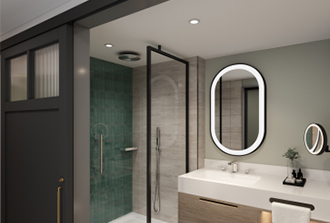
Before installing LED mirrors in hotel projects, you need to assess power requirements, existing electrical infrastructure, and circuit load management. Calculate total wattage based on mirror size and features, guaranteeing compatibility with voltage specifications. Evaluate wiring capacity to handle additional loads, and adhere to safety standards like UL/ETL certification and local electrical codes. Prioritize smart technology integration for enhancing guest experiences. There’s much more you’ll want to take into account to guarantee a successful installation.
Key Takeaways
- Calculate total wattage based on mirror size and features to ensure proper power supply compatibility.
- Assess existing wiring capacity and circuit load to prevent overload and ensure safety.
- Verify UL/ETL certification and appropriate IP ratings to comply with safety standards.
- Plan for smart technology integration to enhance guest experiences and provide customizable settings.
- Consider future-proofing strategies, including scalability for emerging technologies and regular maintenance schedules.
Understanding LED Mirror Power Requirements
When considering LED mirror installations for hotel projects, it’s essential to grasp the specific power requirements that guarantee ideal functionality and safety. Understanding power consumption is vital; LED mirrors typically operate at much lower wattage compared to traditional lighting solutions, resulting in significant energy efficiency. You’ll want to calculate the total wattage needed based on your mirrors’ size and features, ensuring your electrical system can handle the load without compromising performance. Additionally, consider incorporating smart technology to enhance energy savings, allowing for dimming and automatic shut-off features. By prioritizing these power requirements, you not only meet safety standards but also promote sustainability, creating a modern, eco-friendly atmosphere that appeals to today’s environmentally conscious travelers.
Assessing Existing Electrical Infrastructure
Before installing LED mirrors in your hotel, you need to evaluate the current wiring capacity to guarantee it can handle the additional load. Conduct a thorough circuit load assessment to identify any potential overload issues and verify that the voltage is compatible with the mirrors’ requirements. This meticulous approach will help you avoid electrical failures and guarantee a seamless installation process.
Current Wiring Capacity
Evaluating the current wiring capacity of your hotel’s electrical infrastructure is essential for integrating LED mirrors effectively. Understanding your existing setup guarantees you can accommodate the additional load without compromising performance. Here are key considerations:
- Review wiring diagrams to confirm compatibility with LED mirrors.
- Assess the gauge and type of existing wiring for adequate support.
- Check for proper load balancing across circuits to prevent overloading.
- Verify circuit breakers can handle the increased demand from LED installations.
- Investigate any potential upgrades needed to meet modern electrical standards.
Circuit Load Assessment
To guarantee your hotel’s electrical system can handle the demands of LED mirrors, conducting a thorough circuit load assessment is vital. Begin by evaluating your existing circuit capacity to determine if it can support the additional load from the mirrors. Each LED mirror typically requires a specific wattage; therefore, calculating the total load is essential for ensuring your circuits aren’t overloaded. Load balancing becomes critical here; you want to distribute the electrical demand evenly across circuits to prevent potential failures. Assess the current usage of each circuit and identify any potential overloads. This proactive approach not only maximizes efficiency but also enhances safety, ensuring your hotel can offer a seamless and innovative experience for guests while minimizing downtime and maintenance costs.
Voltage Compatibility Check
While evaluating your hotel’s electrical infrastructure, it is crucial to guarantee that the voltage levels align with the requirements of the LED mirrors being installed. Ensuring voltage compatibility not only enhances performance but also prolongs the lifespan of the mirrors. Conduct thorough compatibility testing to confirm adherence to voltage standards. Consider these key factors:
- Voltage ratings of the LED mirrors
- Existing electrical supply voltage in your hotel
- Potential voltage fluctuations in the system
- Compatibility with dimmer switches if applicable
- Future expansion plans for electrical needs
Evaluating Wattage and Voltage Compatibility
When selecting LED mirrors for your hotel project, you need to carefully consider the power supply requirements and voltage specifications. Ensuring compatibility with your existing electrical systems is essential to prevent performance issues and potential hazards. By accurately evaluating these factors, you can enhance both the functionality and safety of your installations.
Power Supply Requirements
Understanding the power supply requirements for LED mirrors is essential, as insufficient wattage or voltage mismatches can lead to performance issues or even damage. When planning for installation, consider the following key factors:
- Power Supply Types: Confirm compatibility with the LED mirror’s design.
- Wattage Needs: Calculate the total wattage required for maximum brightness.
- Energy Efficiency: Opt for power supplies that minimize energy consumption.
- Load Capacity: Check the capacity limits to prevent overload.
- Future Upgrades: Factor in potential upgrades to accommodate changing demands.
Voltage Specifications Importance
Ensuring the correct voltage specifications is essential for the ideal functioning of LED mirrors, as mismatched voltage can lead to inadequate brightness or even permanent damage to the units. You’ll want to evaluate voltage fluctuations in your installation environment, as they can compromise performance and longevity. It’s vital to choose mirrors that are compatible with your hotel’s power supply, considering the wattage requirements and potential variations in voltage. Additionally, transformer requirements must be meticulously calculated to provide the right input for the LED mirrors. Using high-quality transformers helps mitigate the risk of voltage inconsistencies, ensuring peak brightness and functionality. By prioritizing these specifications, you’ll enhance the guest experience while safeguarding your investment in innovative LED mirror technology.
Ensuring Proper Circuit Load Management
To maintain efficiency and safety in hotel projects, it’s essential to manage circuit loads effectively, especially when integrating LED mirrors. Proper circuit load management not only enhances performance but also guarantees circuit protection and load balancing. Here are key considerations:
Effective circuit load management is crucial for hotel projects, especially with LED mirrors, ensuring safety and optimal performance.
- Assess total power consumption of all connected devices.
- Distribute loads evenly across multiple circuits to prevent overload.
- Utilize circuit breakers that match the load requirements for safety.
- Monitor circuit performance regularly to detect potential issues.
- Implement surge protection devices to safeguard against power spikes.
Considering Dimming and Control Options
While integrating LED mirrors into hotel projects, considering dimming and control options is essential for enhancing guest experience and energy efficiency. Utilizing advanced dimming techniques not only allows for customizable lighting but also contributes to the ambiance, making it more inviting. Control systems, whether through smart technology or traditional switches, should be carefully selected based on user-friendliness and compatibility with existing infrastructure.
| Dimming Technique | Control System | Benefits |
| 0–10V Dimming | Smart home integration | Enables energy savings and precise lighting control |
| PWM Dimming | Wireless remote control | Provides enhanced user convenience and adjustable brightness control |
| Triac Dimming | Wall-mounted switches | Offers simple installation and easy operation |
Choosing the right combination can greatly elevate the overall aesthetic and functionality of your hotel space.
Addressing Safety Standards and Regulations
When you integrate LED mirrors into hotel projects, it’s vital to address safety standards and regulations to guarantee compliance and protect guests. Securing safety compliance isn’t just about aesthetics; it’s imperative for operational integrity. Here are key considerations:
- UL/ETL Certification: Verify products are tested for safety.
- Water Resistance: Use mirrors with appropriate IP ratings for wet areas.
- Electrical Wiring Standards: Follow NEC regulations for installation.
- Grounding Requirements: Implement proper grounding to prevent shocks.
- Local Building Codes: Adhere to specific municipal regulations.
Planning for Installation and Wiring Logistics
Ensuring safety compliance lays the groundwork for effective planning of installation and wiring logistics for LED mirrors in hotel projects. You’ll need to create a detailed installation timeline that aligns with your project schedule, ensuring minimal disruption to ongoing operations. Begin by reviewing wiring diagrams that specify the electrical configurations needed for each mirror type. This helps you identify potential challenges early and allocate resources efficiently. Collaborate with your electrical team to confirm that the existing infrastructure can accommodate the additional load. Additionally, consider access points for maintenance and future upgrades. By meticulously planning these logistics, you not only enhance safety but also streamline the installation process, ensuring that your hotel’s vision is realized with cutting-edge efficiency.
Future-Proofing With Smart Technology Integration
As you contemplate the long-term viability of LED mirrors in hotel projects, integrating smart technology becomes essential for future-proofing your installations. Smart mirrors not only enhance guest experiences but also streamline hotel operations. Here are key aspects to contemplate for effective technology integration:
- User-friendly interfaces for easy navigation
- IoT connectivity for seamless integration with existing systems
- Voice control capabilities to enhance accessibility
- Customizable settings for personalized guest interactions
- Regular software updates to keep up with technological advancements
Frequently Asked Questions
Can LED Mirrors Be Connected to a Standard Wall Outlet?
Yes, LED mirrors can connect to a standard wall outlet. For ideal installation options, verify outlet compatibility with the mirror’s voltage requirements, enhancing your space’s aesthetics while maintaining efficient electrical functionality.
What Is the Lifespan of an LED Mirror?
An LED mirror typically boasts a lifespan of 30,000 to 50,000 hours. Its durability guarantees consistent brightness, while innovative designs enhance LED mirror longevity, making it a smart investment for your space’s aesthetic and functionality.
Are LED Mirrors Energy-Efficient Compared to Traditional Lighting?
Yes, LED mirrors offer significant energy savings compared to traditional lighting. In your lighting comparison, you’ll find they consume less power while providing superior brightness and longevity, making them an innovative choice for modern spaces.
How Do I Clean and Maintain an LED Mirror?
To clean and maintain your LED mirror, use a microfiber cloth with a gentle cleaner. Avoid ammonia-based products. Regularly check for loose connections and guarantee the power supply is functioning to prolong your mirror’s lifespan.
What Design Options Are Available for LED Mirrors?
Isn’t it amazing how LED mirrors blend modern aesthetics with functionality? You’ll find options like frameless designs, customizable features, adjustable lighting, and smart tech, ensuring your space reflects both innovation and personal style seamlessly.
Conclusion
In traversing the intricate world of LED mirror installations, you’re not just lighting a space; you’re enhancing the guest experience. By carefully considering power requirements, existing infrastructure, and safety standards, you guarantee a seamless integration that dazzles without a hitch. Embracing modern technologies and efficient load management not only future-pr
