
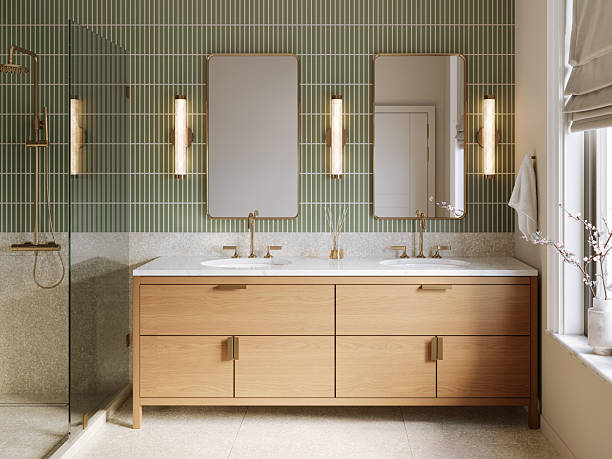
Introduction: Why Backlit Hotel Mirrors Are Gaining Popularity
Hotel bathrooms and guest bedrooms have evolved from purely functional spaces into carefully considered environments that contribute to the overall guest experience. As a result, traditional mirrors are increasingly being replaced by illuminated solutions that offer greater control over light, atmosphere and visual comfort. Backlit hotel mirrors, in particular, have become a preferred choice in modern hospitality design.
Backlit mirrors are widely used in guest bathrooms and bedrooms because they create a soft, indirect glow that enhances the surrounding materials and architectural details. Rather than acting as a direct task light, the illumination washes the wall behind the mirror, adding depth and a refined sense of calm. This approach aligns well with contemporary hotel design, where comfort, ambience and visual balance are just as important as practicality.
In this guide, we explore what makes backlit hotel mirrors so appealing, how they perform in real hospitality environments, and when they are the right choice for a project. You will learn about design considerations, lighting performance, technical requirements, common specification challenges and how to source backlit mirrors that meet the standards of hotels, cruise ships and large residential developments.
What Is a Backlit Hotel Mirror
A backlit hotel mirror is an illuminated mirror designed specifically for hospitality environments, where LED lighting is integrated behind the mirror surface rather than in front of it. In a hotel or cruise ship setting, backlit mirrors are used to create soft, ambient illumination that enhances the overall atmosphere of guest bathrooms and bedrooms.
The LED light source is positioned behind the mirror, typically around the perimeter or in a carefully engineered pattern, allowing light to project onto the wall surface rather than directly onto the face. This indirect lighting effect produces a gentle halo around the mirror, reducing glare and creating a visually balanced space. High-quality backlit mirrors use diffused LED systems to ensure the light is even and free from hotspots.
Backlit mirrors differ from standard mirrors, which rely entirely on external lighting, and from front-lit mirrors, which emit light directly through the mirror surface for task-focused illumination. While front-lit mirrors prioritise grooming clarity, backlit mirrors focus on ambience and spatial enhancement. For this reason, backlit designs are often combined with other light sources or dual-light configurations in premium hospitality projects.
Typical applications for backlit hotel mirrors include guest bathrooms where a calm, refined atmosphere is desired, as well as guest bedrooms where mirrors are used above vanities or consoles. They are also popular in luxury hotels and cruise ships that aim to create a distinctive design identity through subtle lighting rather than bold fixtures.
The Visual Impact of Backlit Mirrors in Hotel Bathrooms
Backlit mirrors are valued in hotel bathroom design for the way they influence the look and feel of the space without dominating it. Rather than acting as a visible light source, the illumination sits quietly in the background, shaping atmosphere and enhancing materials.
How Backlighting Creates a Soft Wall Glow
Backlighting projects light onto the wall surface behind the mirror, creating a gentle halo effect. This indirect illumination reduces harsh contrasts and eliminates glare, resulting in a calmer and more refined visual experience. The wall glow also helps define the mirror’s outline, making it appear lighter and more integrated into the architecture.
Enhancing the Perception of Luxury
Luxury in hospitality is often communicated through subtlety rather than excess. Backlit mirrors contribute to this perception by adding depth and softness to the bathroom environment. The controlled light creates a sense of intention and care, which guests associate with higher-quality design. Even simple bathrooms can feel more considered and premium when illuminated in this way.
Interaction With Bathroom Materials
Backlit mirrors interact particularly well with natural and textured materials. Marble and stone benefit from the soft illumination, which highlights veining and surface variation without overpowering it. Tiles gain visual depth as shadows are gently softened, while timber finishes appear warmer and more balanced. Because the light is indirect, it enhances materials rather than competing with them.
Softening Architectural Lines
Bathrooms often feature strong horizontal and vertical lines created by tiles, cabinetry and fixtures. Designers use backlit mirrors to soften these lines and introduce visual contrast. Curved or rounded backlit mirrors further enhance this effect, breaking up rigid geometry and creating a more welcoming and comfortable environment for guests.
Backlit mirrors therefore play a key role not only as functional elements, but as quiet design tools that elevate the overall bathroom experience.
Are Backlit Hotel Mirrors Practical for Guests
While backlit hotel mirrors are widely admired for their visual appeal, their practicality for everyday guest use must be carefully considered. In hospitality environments, mirrors must balance ambience with functionality to meet a wide range of guest needs.
Illumination Levels for Daily Use
Backlit mirrors provide indirect light that is ideal for creating atmosphere, but on their own they do not always deliver sufficient illumination for detailed grooming tasks. Because the light is projected onto the wall rather than the face, it can lack the directional clarity required for shaving, makeup application or close inspection. In well-lit bathrooms with additional ceiling or vanity lighting, this may not be an issue, but in compact or softly lit spaces it can affect usability.
Grooming Challenges With Backlighting Alone
One of the most common challenges with backlit mirrors is shadowing on the face. Since the light source is behind the mirror, it does not fully illuminate facial features from the front. Guests may find it harder to see fine details, particularly in bathrooms with darker finishes or lower ambient light levels. This is why some guests perceive backlit mirrors as beautiful but less practical when used in isolation.
Best Use as Ambient Lighting
Backlit mirrors perform best when used as ambient or supplementary lighting. They are particularly effective at creating a calm and welcoming atmosphere, supporting night-time use, and enhancing the visual depth of the space. In guest bathrooms, they often serve as a soft background light that complements task lighting rather than replacing it.
Combining Backlighting With Other Light Sources
To achieve both comfort and functionality, many hospitality projects combine backlit mirrors with additional lighting solutions. Dual-lit mirrors, which incorporate both backlighting and front illumination, offer a balanced approach by providing clear task lighting alongside ambient glow. Alternatively, backlit mirrors can be paired with ceiling downlights or wall-mounted fixtures to ensure guests have adequate light for grooming while still enjoying the aesthetic benefits of backlighting.
When specified correctly, backlit hotel mirrors can be both visually appealing and practical, provided they are integrated thoughtfully into the overall lighting scheme.
Backlit vs Front-Lit vs Dual-Lit Hotel Mirrors
Choosing the right lighting type is one of the most important decisions when specifying mirrors for hotel bathrooms and guest bedrooms. Each lighting method offers distinct visual and functional benefits, and understanding these differences helps designers select the most appropriate solution for each space.
Key Differences in Light Direction and Performance
Backlit mirrors emit light from behind the mirror, projecting illumination onto the wall surface. This creates a soft ambient glow that enhances atmosphere and visual depth. Front-lit mirrors direct light through the mirror surface towards the face, providing clear and even illumination for grooming tasks. Dual-lit mirrors combine both approaches, offering ambient backlighting alongside direct front illumination. The direction of light has a direct impact on usability, mood and perceived quality.
When Front-Lit Mirrors Are More Suitable
Front-lit mirrors are often preferred in bathrooms where grooming clarity is a priority. Because the light is directed towards the face, shadows are minimised and facial features are evenly illuminated. This makes front-lit mirrors ideal for standard guest bathrooms, compact layouts, or rooms with limited ceiling lighting. They are also well suited to hotels where practicality and ease of use are key considerations for a broad range of guests.
Why Dual-Lit Mirrors Are Chosen for Premium Rooms
Dual-lit mirrors are commonly specified for premium hotels, suites and cruise ship cabins because they offer the best balance between function and atmosphere. The front lighting ensures excellent visibility for grooming, while the backlighting adds a refined ambient layer that enhances the overall design. This combination allows designers to create a more flexible lighting experience that adapts to different times of day and guest preferences.
Practical Guidance for Selecting the Right Lighting Type
The choice between backlit, front-lit and dual-lit mirrors should be guided by the bathroom layout, available lighting, material palette and target guest experience. Backlit mirrors work best as part of a layered lighting scheme, front-lit mirrors prioritise functionality, and dual-lit mirrors deliver a complete solution for high-end hospitality projects. By aligning lighting type with both design intent and practical requirements, designers can ensure mirrors contribute positively to guest comfort and brand perception.
Hospitality Requirements and Technical Specifications
Backlit hotel mirrors must meet far higher standards than residential products. In hotels and cruise ships, mirrors are exposed to constant use, high humidity and strict safety requirements, all while needing to perform consistently across large room programmes. Understanding these technical expectations is essential when specifying mirrors for hospitality projects.
Moisture Resistance and Minimum IP Ratings
Bathrooms are high-humidity environments, making moisture protection a critical requirement. Backlit hotel mirrors should meet a minimum ingress protection rating of IP44 to ensure safe operation near basins and wet zones. Proper sealing protects internal components from steam and condensation, reducing the risk of electrical failure and extending the lifespan of the mirror. Inadequate moisture protection can lead to corrosion, flickering lights or complete system failure over time.
LED Lifespan and Maintenance Expectations
Hotels and cruise ships require lighting solutions that can operate reliably for many years with minimal intervention. High-quality LED modules are designed for long service life, often exceeding tens of thousands of operating hours. This reduces the need for frequent replacements and limits room downtime. When specifying mirrors, designers and contractors should also consider ease of maintenance, ensuring that components can be accessed or serviced without removing the entire unit or causing disruption to adjacent finishes.
Construction Quality for High-Use Environments
Hospitality-grade mirrors must be built to withstand daily use by a wide range of guests. This includes robust backing materials that resist warping, secure fixing systems that maintain alignment, and sealed LED housings that protect against dust and moisture. Construction quality directly affects both appearance and performance, as poorly built mirrors are more likely to develop faults, lose alignment or show visible wear over time.
Consistency Across Large Hotel and Cruise Ship Programmes
One of the defining requirements of hospitality projects is consistency. Mirrors must look and perform the same across dozens or even hundreds of guest bedrooms and bathrooms. This includes identical light output, colour temperature, finish and proportions. Consistent production standards ensure a unified guest experience and protect brand identity, particularly in luxury hotels and cruise ships where uniformity is a key indicator of quality.
By meeting these hospitality-specific requirements, backlit mirrors can deliver long-term reliability, safety and visual consistency across even the most demanding projects.
Smart Features and System Integration
In modern hospitality projects, backlit mirrors are increasingly expected to do more than provide illumination. Smart features and system integration allow mirrors to support both guest comfort and operational efficiency, making them an integral part of the wider room lighting strategy.
Using Backlit Mirrors as Night Lighting With PIR Sensors
Backlit mirrors fitted with PIR motion sensors can function as discreet night lighting. When a guest enters the bathroom at night, the mirror activates automatically, providing soft guidance without the need to switch on overhead lights. This improves safety, reduces disturbance and creates a more intuitive experience, particularly in guest bedrooms and bathrooms designed for comfort and ease of use.
Integration With DALI and Central Lighting Systems
Backlit hotel mirrors can be integrated into central lighting control systems such as DALI. This allows mirrors to operate in harmony with other lighting elements within the room, ensuring consistent brightness and colour temperature. Centralised control also enables hotels and cruise ships to manage lighting settings efficiently across multiple rooms, supporting both design consistency and operational oversight.
Energy Management Benefits in Large Properties
Smart integration plays a key role in energy management for large hospitality properties. By linking mirrors to dimming controls, occupancy sensors or scheduled lighting programmes, hotels can reduce unnecessary energy use. This approach is particularly valuable in properties with hundreds of rooms, where small efficiencies per room translate into significant overall savings.
Improving Guest Experience and Operations Through Smart Integration
When implemented correctly, smart features feel seamless and unobtrusive to guests. Lighting responds naturally to movement and time of day, enhancing comfort without requiring manual adjustment. At the same time, operators benefit from simplified maintenance, reduced energy costs and improved control over lighting performance. Smart integration therefore supports a better experience for guests while streamlining day-to-day hotel operations.
Common Mistakes When Specifying Backlit Hotel Mirrors
Backlit mirrors can significantly enhance hotel bathrooms and guest bedrooms, but only when they are specified with a clear understanding of both design intent and practical performance. The following mistakes are frequently seen in hospitality projects and can undermine the effectiveness of an otherwise well-considered design.
Assuming Backlighting Alone Is Enough for Grooming
One of the most common assumptions is that backlighting will provide sufficient illumination for all guest needs. In reality, backlit mirrors are primarily ambient in nature. Without additional task lighting, guests may experience shadows on the face, making shaving or makeup application less comfortable. In many projects, combining backlighting with front illumination or complementary ceiling lighting delivers a far better balance of atmosphere and usability.
Choosing Low-Quality Diffusion Systems
Poor diffusion leads to visible LED points, uneven brightness or harsh light edges around the mirror. These issues are immediately noticeable to guests and reduce the perceived quality of the space. High-quality backlit mirrors use engineered diffusion panels to create a smooth, consistent glow that feels intentional and refined. Compromising on diffusion often results in a product that looks decorative at first glance but performs poorly in daily use.
Inconsistent Colour Temperature Across Rooms
Colour temperature variation between rooms can quickly erode a hotel’s visual consistency. Even small differences in light tone are noticeable when guests move between rooms or room types. This often occurs when mirrors are sourced from multiple suppliers or produced in separate batches without strict control. Defining and maintaining a single colour temperature standard is essential for preserving brand identity and design coherence.
Not Planning for Maintenance Access or Wiring Routes
Backlit mirrors require proper planning for power supply, wiring routes and future maintenance. Failing to consider these elements early can lead to difficult installations, visible cables or the need to remove tiles or wall finishes for repairs. Hospitality-grade mirrors should be designed with accessible components and clear installation guidance to minimise disruption during maintenance.
Mixing Suppliers on Large Hospitality Projects
Using multiple suppliers for mirrors within the same project often results in subtle but noticeable differences in light output, finish quality and construction details. These inconsistencies can detract from the overall guest experience and complicate installation and servicing. For large hotel and cruise ship programmes, working with a single specialist supplier ensures consistency, simplifies coordination and reduces long-term operational risk.
Avoiding these common mistakes allows backlit hotel mirrors to perform as intended, delivering both visual impact and reliable functionality across the entire property.
Who Uses Backlit Hotel Mirrors and Why
Backlit hotel mirrors are chosen by a wide range of hospitality and residential projects, each with different priorities but a shared focus on quality, atmosphere and consistency. Understanding who uses backlit mirrors, and for what reasons, helps designers and specifiers determine when this lighting solution is the right fit.
Luxury Hotels Seeking Ambient and Architectural Lighting
Luxury hotels often use backlit mirrors to introduce a layer of ambient lighting that complements architectural details rather than competing with them. The soft glow enhances materials, softens the space and contributes to a calm, considered environment. In high-end properties, this subtle lighting approach aligns with a design philosophy that values restraint, balance and visual comfort.
Cruise Ships Prioritising Mood Lighting and Space Perception
In cruise ship guest bedrooms and bathrooms, space is often limited and lighting plays a crucial role in how the room is perceived. Backlit mirrors help create a sense of depth and openness by illuminating the wall surface rather than adding bulky fixtures. The ambient light also supports a relaxed atmosphere, which is particularly important in cabins designed for rest and retreat.
Large Residential Developments Adopting Hospitality Standards
High-end residential developments increasingly adopt hotel-inspired design standards to elevate their appeal. Backlit mirrors are used to bring a sense of refinement and comfort into private bathrooms and bedrooms, offering residents the same level of lighting quality found in premium hotels. These projects benefit from the durability, consistency and visual sophistication associated with hospitality-grade products.
Supporting Brand Identity Without Dominating the Design
Backlit mirrors are most effective when they support the overall design narrative rather than becoming the focal point. By providing soft, indirect illumination, they enhance the space without overpowering other elements such as materials, textures or architectural forms. This makes them an ideal choice for brands that value cohesion and subtlety, where every detail works together to create a memorable guest experience.
Across hotels, cruise ships and large residential developments, backlit mirrors are selected not just for how they look, but for how they quietly contribute to atmosphere, comfort and brand perception.
Why Choose Luma for Backlit Hotel Mirror Solutions
Luma specialises exclusively in backlit LED mirror solutions for hospitality environments, with a clear focus on delivering performance, consistency and design excellence across large-scale projects. Our approach is shaped by an in-depth understanding of how mirrors function within guest bedrooms and bathrooms, and how lighting influences both guest experience and operational efficiency.
Specialists in Guest Bedrooms and Bathrooms Only
Unlike general mirror suppliers, Luma works solely within hospitality guest bedrooms and bathrooms. This singular focus allows us to design mirrors that respond precisely to the lighting, durability and safety requirements of hotel and cruise ship environments, rather than adapting residential products for commercial use.
Proven Experience Across Hotels, Cruise Ships and Large Developments
We work closely with interior designers, specifiers, main contractors, shipyards and marine fit-out teams on projects of all scales. From boutique hotels to multi-hundred-room programmes, our experience ensures consistent quality, coordinated delivery and reliable performance across every room set.
Bespoke Shapes, Finishes and Lighting Logic
Every Luma mirror is tailored to the project. We offer custom shapes, sizes, frame finishes and glass options, alongside carefully engineered lighting logic that supports the design intent of each space. Whether the goal is subtle ambient backlighting or a dual-lit solution for enhanced functionality, our mirrors are designed to integrate seamlessly into the wider interior concept.
Hospitality-Grade LED Systems and Smart Features
Our LED systems are engineered specifically for hospitality use, delivering consistent colour temperature, high colour rendering and long-term reliability. Smart features such as demisters, PIR motion sensors, DALI integration and USB ports can be incorporated to improve guest comfort while supporting efficient hotel operations.
End-to-End Service From Design to Certification
Luma provides a complete service covering survey, design development, CAD drawings, prototyping, manufacture and installation. Our in-house installation team ensures every mirror is fitted correctly and safely, and we provide certification for full compliance and peace of mind. This end-to-end approach allows our clients to work with a single trusted partner from concept through to completion.
By choosing Luma, hospitality professionals gain a dedicated partner focused on delivering backlit mirror solutions that balance design, performance and long-term value for hotels, cruise ships and large residential developments.
Contact Our Team
We invite interior designers, specifiers, main contractors, shipyards and FF&E procurement teams to collaborate with us on upcoming hospitality projects.
Whether you are working on a hotel, cruise ship or large residential development, our team is ready to support you with bespoke backlit mirror solutions tailored to your design vision and technical requirements.
Contact Luma today to discuss how we can design, manufacture and install backlit hotel mirrors that deliver consistent quality, refined lighting and long-term performance across your project.
