
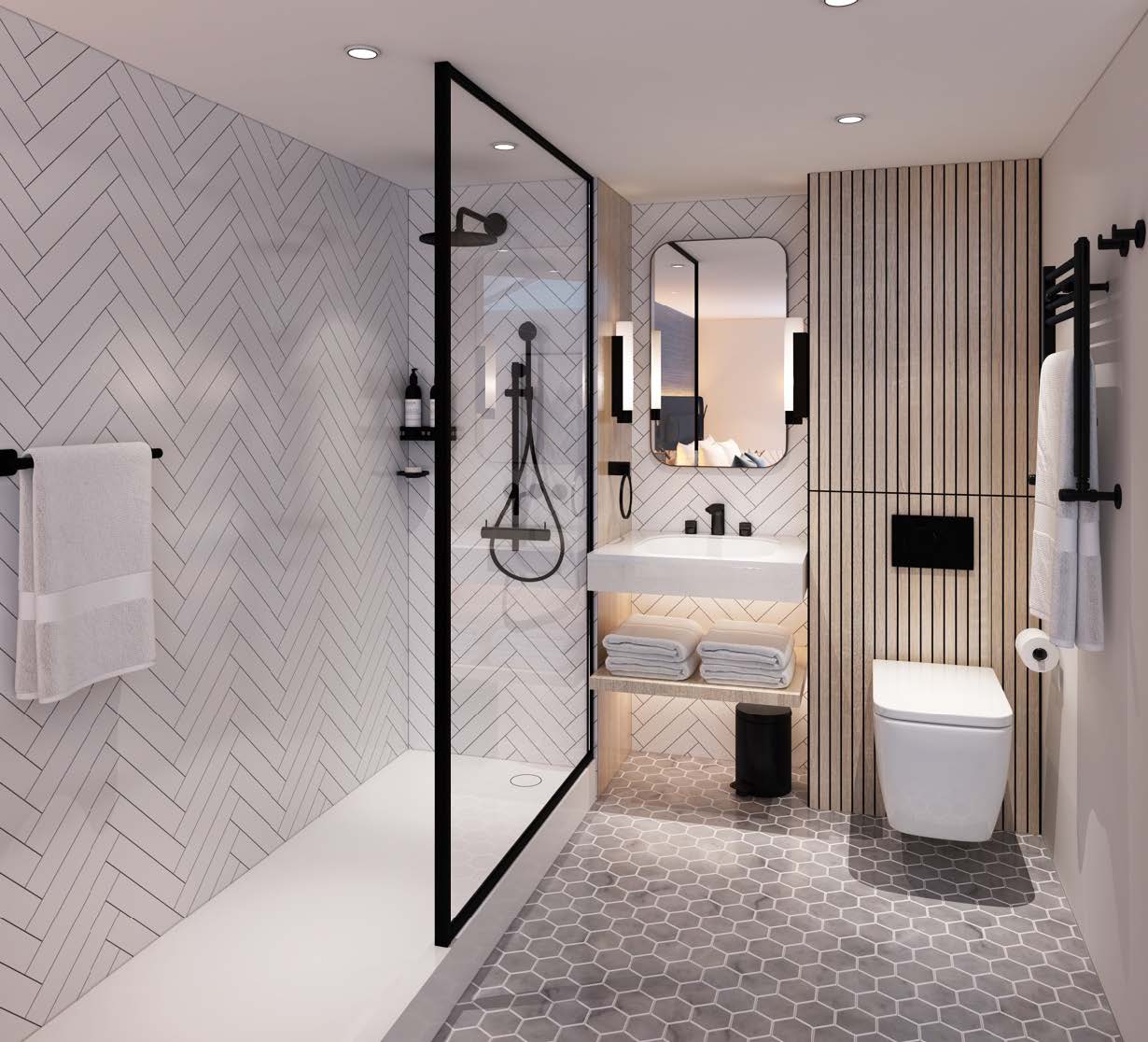
Why LED Mirror Maintenance Matters in Hotels
LED mirrors in hotel bathrooms are used constantly, often multiple times per guest, every day. Because of this high usage, even small issues can quickly become noticeable. A flicker, a dim light, or a faulty sensor may seem minor, but for guests, these details directly affect comfort and usability.
In larger hotels, the impact is multiplied. A single issue is rarely isolated if one mirror starts to fail, it’s likely others will follow. Without proper maintenance, small faults can quickly scale across hundreds of rooms, leading to repeated complaints and increased operational pressure.
Good maintenance helps prevent this. It ensures a consistent guest experience, reduces the need for frequent replacements, and extends the overall lifespan of the mirrors. In hospitality, where consistency is key, maintaining performance over time is just as important as the initial design.
How Hotel Environments Affect LED Mirror Performance
Hotel bathrooms are demanding environments, and over time, they can have a direct impact on how LED mirrors perform.
High humidity from daily showers is one of the biggest factors. Moisture can affect internal components, especially if sealing is not properly designed. Demister systems also work harder in these conditions, which can influence long-term reliability.
Frequent cleaning is another consideration. Housekeeping teams clean mirrors regularly, often using strong chemicals or excessive moisture. Over time, this can damage surfaces, affect finishes, and potentially compromise seals if not done correctly.
Continuous usage also adds wear. Sensors, switches, and lighting components are used repeatedly throughout the day, which can lead to gradual performance decline if the product is not built for high-frequency use.
Power fluctuations, which are common in large buildings, can also impact LED drivers and overall lifespan. Without stable electrical performance, lighting consistency may be affected over time.
Together, these factors highlight why LED mirrors in hotels need to be designed and maintained specifically for high-use, high-demand environments.
Daily and Weekly Cleaning Best Practices
Regular cleaning is essential to keep LED mirrors looking good and performing properly. In hotel environments, where mirrors are cleaned frequently, the method matters just as much as the frequency. Poor cleaning practices can damage finishes, weaken seals, and affect long-term reliability.
Safe Cleaning Methods
- Use a soft, non-abrasive cloth to avoid scratching the surface
- Apply cleaning solution to the cloth, not directly onto the mirror
- Avoid excessive water, especially around edges and joints
- Clean gently to protect coatings, seals, and internal components
A consistent, careful approach helps maintain both the appearance and performance of the mirror over time.
Cleaning Products to Avoid
- Harsh chemicals such as ammonia or bleach-based cleaners
- Abrasive sponges or scouring pads
- Spraying liquid directly onto the mirror, particularly near edges
These can damage finishes, degrade protective layers, and increase the risk of moisture entering the internal structure.
Key point: Cleaning should not only keep the mirror looking clean, it should also protect its structure and internal components for long-term use.
Monthly Maintenance Checks That Prevent Bigger Issues
Routine inspections help identify small issues before they develop into larger problems. In hotel environments, where mirrors are used constantly, a simple monthly check can prevent unexpected failures and reduce disruption to operations.
Lighting Performance
Check for any signs of dimming, flickering, or uneven light output. These can indicate early issues with LED components or drivers and should be addressed before performance declines further.
Demister Function
Ensure the anti-fog system activates correctly and clears the mirror efficiently. A non-functioning demister is immediately noticeable to guests and affects usability after showers.
Sensors and Switches
Test all sensors and switches to confirm they respond quickly and consistently. Delays or inconsistent activation may indicate wear or alignment issues.
Electrical Connections
Inspect for early signs of electrical instability, such as intermittent power or inconsistent performance. Identifying these issues early helps avoid sudden failures.
In short, preventive checks reduce unexpected failures, helping maintain a consistent guest experience and avoiding unnecessary maintenance costs.
Common LED Mirror Issues in Hotels (And What Causes Them)
Even with regular maintenance, LED mirrors in hotel environments can develop issues over time. Understanding the most common problems and what causes them making it easier to respond quickly and prevent repeat occurrences.
| Issue | Likely Cause | Impact on Guest Experience |
| Flickering lighting | Power instability or driver issues | Distracting and uncomfortable to use |
| Dimming or uneven brightness | LED degradation over time | Reduced visibility for grooming tasks |
| Mirror fogging | Demister failure or poor sealing | Immediate frustration after showers |
| Unresponsive sensors | Wear, misalignment, or improper cleaning | Inconvenience and inconsistent use |
| Discolouration or marks | Harsh cleaning chemicals or low-quality materials | Affects overall appearance of the room |
Many of these issues are not caused by a single factor, but by a combination of environmental conditions, usage frequency, and product quality.
Addressing problems early and understanding their root cause help maintain consistent performance and avoid larger operational disruptions across the property.
How to Extend the Lifespan of LED Mirrors in Hotels
Extending the lifespan of LED mirrors in hotel environments is not just about maintenance, it starts with the right decisions early on and continues with consistent operational practices.
Choosing high-quality components from the outset makes a significant difference. Reliable LED systems, drivers, and materials are better equipped to handle the demands of daily use, reducing the likelihood of early failure.
Standardising mirror specifications across rooms is equally important. When the same models and components are used throughout a property, performance remains consistent, and maintenance becomes more efficient. Replacement parts are easier to manage, and troubleshooting is more straightforward.
Training housekeeping teams on correct cleaning methods also plays a key role. Proper techniques help protect finishes, seals, and internal components, preventing unnecessary wear over time.
Routine inspections should be scheduled to catch small issues early. Regular checks allow maintenance teams to address minor faults before they develop into larger problems that affect multiple rooms.
Finally, avoiding a mix of inconsistent products within the same property helps maintain uniform performance. Using different mirror types or lighting qualities can lead to uneven guest experiences and more complex maintenance requirements.
Together, these practices help ensure LED mirrors remain reliable, visually consistent, and cost-effective throughout their lifecycle.
The Role of Design in Reducing Maintenance Requirements
Maintenance is often seen as something that happens after installation, but in reality, it starts at the design stage. Well-designed LED mirrors are easier to maintain, more reliable over time, and better suited to the demands of hotel environments.
Integrated lighting plays a key role. By incorporating lighting directly into the mirror, there is less reliance on external fixtures that may vary in quality, positioning, or performance. This not only simplifies the design but also reduces potential points of failure.
Sealed construction is equally important. Properly designed mirrors protect internal components from moisture and humidity, helping to maintain performance in high-use bathroom environments. This is especially critical for electronics such as LED drivers and demister systems.
Material selection also makes a difference. High-quality finishes and components are more resistant to corrosion, cleaning chemicals, and daily wear, helping the mirror retain both its appearance and functionality over time.
Finally, a smart layout can make servicing easier. Thoughtful design allows for better access to key components, reducing time and effort when maintenance is required.
Good design reduces long-term operational workload, making maintenance more predictable, efficient, and cost-effective.
Managing LED Mirror Maintenance Across Large Hotel Projects
In large hotel developments, maintenance is not just about individual units, it’s about managing performance consistently across hundreds of rooms. Without a structured approach, even small issues can quickly become difficult to control at scale.
Consistency across rooms is essential. When mirrors perform the same way in every space, it becomes easier to maintain quality standards and deliver a uniform guest experience. Inconsistent products or specifications often lead to uneven performance and more complex maintenance requirements.
Standardising replacement parts and specifications simplifies operations. Maintenance teams can work more efficiently when components are consistent, reducing downtime and avoiding confusion when issues arise.
Clear maintenance protocols are equally important. Defined cleaning methods, inspection schedules, and response procedures help ensure that all teams follow the same approach, reducing the risk of damage or oversight.
Working with suppliers like Luma Mirrors by Gemm London who understand hospitality scale also makes a difference. Large projects require solutions that are designed not only for installation, but for ongoing performance, reliability, and ease of maintenance across the entire property.
When to Repair vs Replace LED Mirrors
Knowing when to repair and when to replace an LED mirror is important for maintaining both performance and cost efficiency in hotel operations. Not every issue requires a full replacement, but delaying the right decision can lead to repeated problems.
Minor faults, such as small electrical issues or individual component failures, can often be repaired. Addressing these early helps restore functionality without unnecessary cost or disruption.
However, replacement becomes the better option when lighting quality begins to noticeably decline, such as persistent dimming or uneven output. Structural issues, including compromised seals or moisture ingress, are also strong indicators that replacement is needed to avoid further failures.
In practice, the decision should be based on life-cycle cost, not just the upfront expense. Repeated repairs on ageing or low-quality units often cost more over time than replacing them with a more reliable solution.
Why High-Quality LED Mirrors Require Less Maintenance
The quality of the mirror plays a direct role in how much maintenance it requires over time.
High-quality LED mirrors use better drivers and components, which are designed for stability and long-term performance. This results in a longer lifespan and fewer performance issues.
Consistent output over time also reduces the need for frequent adjustments or repairs. Lighting remains stable, sensors respond reliably, and overall functionality is maintained even in high-use environments.
With fewer failures, operational disruption is minimised. Maintenance teams can focus on routine checks rather than constant repairs, improving efficiency across the property.
In the long run, investing in higher-quality mirrors reduces maintenance workload, lowers operational costs, and ensures a more consistent guest experience.
How Luma Mirror Designs Custom LED Mirrors for Long-Term Hotel Performance
Luma Mirrors by Gemm London designs LED mirrors with a clear focus on how they will perform over time in real hospitality environments. These are not products made for occasional use — they are built for high-frequency, daily operation across entire hotel properties.
The approach prioritises durability, consistent lighting performance, and reliable components. Every detail is considered to ensure that mirrors continue to function as expected, even under constant use.
Each solution is custom, taking into account the specific conditions of the project. This includes installation environments, usage patterns, and long-term maintenance access. By addressing these factors early, potential issues can be reduced before they arise.
The result is a mirror designed not just for installation, but for years of dependable operation.
Conclusion — Maintenance Starts with the Right Mirror Design
Maintenance is often seen as a separate stage, but it begins with the initial product selection. Choosing the right mirror from the start has a direct impact on how it performs over time.
Well-designed mirrors last longer, maintain consistent lighting quality, and require fewer interventions. This reduces operational pressure and helps maintain a reliable guest experience across all rooms.
In hospitality, reliability is just as important as design.
Custom LED Mirror Solutions for Hotel Projects
Luma Mirrors by Gemm London provides custom LED mirror solutions tailored to the specific needs of each project. This includes adapting to the layout, lighting requirements, and operational demands of the space.
Every mirror is designed with performance in mind focusing on durability, ease of maintenance, and consistent output across the property. The goal is to ensure that mirrors not only look right at installation, but continue to perform reliably over time.
If you’re planning a hotel project, considering maintenance early can prevent long-term operational issues.
Luma Mirror works closely with project teams to deliver mirror solutions designed for real hospitality environments from concept through to installation and beyond.
