
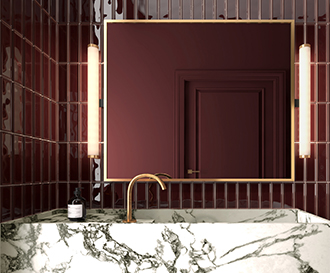
Hotel bathroom mirrors have evolved far beyond their traditional role as decorative accessories. In modern hospitality projects, mirrors are now considered an integral part of the overall guest experience, contributing to lighting performance, bathroom functionality, brand identity, and long-term operational efficiency.
A well-specified mirror can enhance visual comfort, improve grooming tasks, create a sense of luxury, and support a property’s design concept. At the same time, it must withstand demanding hotel environments where moisture, frequent use, cleaning chemicals, and maintenance requirements place higher demands on durability and reliability than in typical residential settings.
For architects, interior designers, hotel owners, and procurement teams, mirror specification is no longer simply a matter of selecting a shape or finish. Decisions regarding dimensions, lighting performance, color temperature, electrical safety, anti-fog functionality, glass quality, control systems, installation methods, and certification compliance all influence both guest satisfaction and lifecycle costs.
Unfortunately, specification oversights can lead to inconsistent lighting, premature corrosion, difficult maintenance procedures, higher replacement costs, and negative guest feedback. These issues often become apparent only after installation, when corrections are significantly more expensive and disruptive.
This guide outlines the key technical and design specifications professionals should evaluate when selecting hotel bathroom mirrors, helping project teams make informed decisions that balance aesthetics, performance, durability, and long-term operational value.
Mirror Dimensions and Sizing Specifications
Mirror size is one of the most important decisions in hotel bathroom design. Beyond aesthetics, mirror dimensions directly affect lighting performance, guest comfort, maintenance accessibility, and the overall perception of space. A mirror that is too small can make a bathroom feel cramped, while an oversized mirror can enhance brightness and create a more luxurious atmosphere. Designers should carefully balance vanity size, wall proportions, lighting requirements, and the intended guest experience when determining mirror dimensions.
Determining Mirror Width
Mirror width is typically based on the vanity width and sink configuration. As a general rule, the mirror should be slightly narrower than the vanity to maintain visual balance while leaving adequate space for wall finishes, sconces, or other accessories.
For single-sink vanities, the mirror width is often 70–90% of the vanity width. For larger hospitality bathrooms, wider mirrors can create a more open and premium appearance.
When specifying illuminated mirrors, designers should also consider how the mirror width affects light distribution across the user’s face and surrounding surfaces.
Determining Mirror Height
Mirror height should accommodate guests of different heights while maintaining proper proportions within the bathroom design. The mirror should provide a clear viewing area for grooming tasks while complementing ceiling heights and wall layouts.
In hospitality projects, taller mirrors are increasingly preferred because they:
- Improve usability for a wider range of guests
- Enhance the perception of room size
- Reflect more natural and artificial light
- Create a more luxurious visual impact
Designers should also account for the placement of integrated lighting, anti-fog systems, and control features when determining overall mirror height.
Full-Wall vs Individual Vanity Mirrors
One of the earliest specification decisions is whether to use a full-wall mirror or an individual vanity mirror.
Full-wall mirrors offer several advantages:
- Create a larger visual space
- Maximize light reflection
- Deliver a high-end, contemporary appearance
- Reduce visual clutter
However, they may increase manufacturing, transportation, and installation complexity.
Individual vanity mirrors provide:
- Greater design flexibility
- Easier replacement and maintenance
- Lower installation costs
- Better suitability for unique design concepts
The choice often depends on hotel positioning, bathroom size, and maintenance strategy.
Single Sink vs Double Vanity Configurations
Mirror specifications should also align with the vanity layout.
For single-sink bathrooms, designers may choose either:
- One centered mirror
- One oversized illuminated mirror
For double-vanity bathrooms, common approaches include:
- One large continuous mirror spanning both sinks
- Two individual mirrors positioned above each sink
- Custom segmented illuminated mirror systems
Luxury hotels increasingly favour large continuous mirrors because they create a seamless appearance and improve overall lighting uniformity.
Recommended Sizing Ratios
While project requirements vary, designers often follow several general guidelines:
- Mirror width: 70–90% of vanity width
- Mirror height: 60–80% of available wall height
- Clearance above vanity: typically 150–300 mm
- Clearance below ceiling: maintain visual balance with surrounding finishes
These ratios help create a proportional and visually comfortable design.
Oversized Mirror Trends in Luxury Hospitality
Many luxury hotels are moving toward oversized illuminated mirrors as part of their guest experience strategy.
Benefits include:
- Enhanced perception of space
- Improved brightness and light distribution
- Stronger visual impact in photography and marketing materials
- Greater design flexibility for integrated lighting systems
- More premium and contemporary aesthetics
Large-format LED mirrors have become particularly popular in luxury suites where creating a sense of openness and sophistication is a key design objective.
LED Lighting Specifications
Lighting performance is one of the most critical aspects of hotel bathroom mirror specification. While the mirror itself contributes to aesthetics, the integrated LED lighting directly affects guest comfort, grooming accuracy, ambience, and overall perception of quality. Poorly specified lighting can create shadows, distort skin tones, and negatively impact the guest experience, while a well-designed illuminated mirror can significantly enhance both functionality and luxury appeal.
When evaluating LED mirror specifications, designers should consider lighting configuration, illuminance levels, color temperature, and color rendering performance to ensure the mirror meets both operational and design objectives.
Front-Lit vs Backlit vs Dual-Lit Mirrors
The lighting configuration determines how light is distributed and how effectively the mirror performs as a task-lighting source.
Front-Lit Mirrors
Front-lit mirrors direct light toward the user through frosted sections on the mirror surface. This design provides excellent facial illumination and is particularly suitable for grooming, shaving, and makeup application.
Advantages include:
- Superior task lighting
- Reduced facial shadows
- Improved visibility for detailed grooming
Backlit Mirrors
Backlit mirrors emit light from behind the mirror, creating a soft halo effect around the perimeter.
Advantages include:
- Elegant ambient lighting
- Contemporary luxury appearance
- Enhanced visual depth within the bathroom
However, backlit mirrors alone may not always provide sufficient illumination for detailed grooming tasks.
Dual-Lit Mirrors
Dual-lit mirrors combine front-facing and rear-facing illumination to deliver both functional task lighting and decorative ambient lighting.
Advantages include:
- Balanced lighting performance
- Premium guest experience
- Greater design flexibility
- Increasingly popular in luxury hotels and high-end residential projects
For most upscale hospitality projects, dual-lit mirrors offer the best balance between aesthetics and functionality.
Recommended Illuminance Levels
Illuminance refers to the amount of light reaching a surface and is measured in lux (lx). Appropriate lighting levels are essential for guest comfort and daily grooming activities.
General recommendations include:
| Application | Recommended Illuminance |
| Ambient bathroom lighting | 200–300 lux |
| General vanity lighting | 300–500 lux |
| Grooming and makeup tasks | 500–1000 lux |
| Luxury hospitality bathrooms | 500+ lux at the face |
The goal is to provide sufficient brightness without creating glare or discomfort. Designers should evaluate the combined performance of the mirror lighting and surrounding bathroom lighting to achieve balanced illumination.
Color Temperature Selection
Color temperature significantly influences the mood, appearance, and functionality of a hotel bathroom. It is measured in Kelvin (K) and determines whether the light appears warm, neutral, or cool.
2700K–3000K: Warm Luxury Ambience
Warm white lighting creates a comfortable and relaxing atmosphere that is commonly associated with luxury hospitality environments.
Benefits include:
- Soft and inviting appearance
- Enhanced sense of comfort
- Suitable for luxury hotels and suites
- Complements warm material palettes such as wood, stone, and brass finishes
While visually appealing, excessively warm lighting may slightly reduce color accuracy for grooming tasks.
3500K–4000K: Balanced Hospitality Standard
This range is widely considered the ideal hospitality lighting temperature.
Benefits include:
- Excellent balance between comfort and functionality
- Natural skin tone appearance
- Suitable for grooming and makeup application
- Consistent performance across various design styles
Many hotel brands specify 3500K or 4000K lighting as their standard because it delivers both guest comfort and practical usability.
5000K+: Task-Oriented Environments
Cool white lighting provides maximum visibility and clarity.
Benefits include:
- Strong task-lighting performance
- Crisp and clean appearance
- Useful in specific commercial applications
However, lighting above 5000K may feel overly clinical for luxury hospitality environments and is generally less common in guest bathrooms.
Color Rendering Index (CRI)
Color Rendering Index (CRI) measures how accurately a light source reproduces colors compared to natural daylight. The higher the CRI value, the more natural and accurate colors appear.
For hotel bathroom mirrors, CRI is often more important than brightness alone because guests use mirrors for grooming, skincare, makeup application, and personal presentation.
Why CRI 90+ Is Recommended for Hotels
Premium hospitality projects typically specify LED lighting with a CRI of 90 or higher.
Benefits include:
- More accurate color reproduction
- Enhanced perception of luxury
- Better skin tone representation
- Improved guest satisfaction
Lower-CRI lighting can cause colors to appear dull or distorted, which may negatively affect the user experience.
Makeup, Grooming, and Skin Tone Accuracy
Guests expect hotel bathroom mirrors to provide lighting conditions that closely resemble natural daylight. Accurate color rendering helps ensure:
- Makeup is applied correctly
- Facial hair grooming is more precise
- Skin tone appears natural
- Clothing and accessories can be assessed accurately
For luxury hotels, high-CRI LED mirrors are increasingly viewed as an essential specification rather than an optional upgrade.
By combining appropriate illuminance levels, carefully selected color temperatures, and CRI 90+ lighting performance, designers can create mirror systems that deliver both exceptional functionality and a superior hospitality experience.
Electrical and Safety Specifications
Electrical safety is a fundamental consideration when specifying illuminated mirrors for hotel bathrooms. Unlike decorative mirrors, LED mirrors contain electrical components that operate in environments exposed to humidity, water vapor, frequent cleaning, and daily guest use. As a result, designers must evaluate electrical performance, moisture protection, maintenance accessibility, certification requirements, and local regulatory compliance to ensure both safety and long-term reliability.
Proper electrical specification not only protects guests and maintenance personnel but also helps reduce operational risks, warranty claims, and costly replacements over the life of the property.
Input Voltage Requirements
For hotel projects in the United Kingdom, one of the first specification considerations is ensuring that the LED mirror is compatible with the UK’s electrical infrastructure.
The standard mains supply in the UK is 230V AC at 50Hz, and all illuminated mirrors should be designed and certified to operate safely within this voltage range. Specifying products that are fully compliant with UK electrical standards helps ensure smooth installation, regulatory compliance, and long-term operational reliability.
Designers should also determine how the mirror will connect to the building’s electrical system. Common options include:
- Hardwired directly into the bathroom’s electrical circuit
- Connected through a switched fused spur
- Integrated into a smart room control or building management system (BMS)
These decisions influence installation complexity, maintenance accessibility, and user experience.
For hotel groups operating multiple properties across different countries, mirrors equipped with universal input drivers (100–240V) can provide additional flexibility while simplifying procurement and future standardisation efforts.
When specifying illuminated mirrors for UK hospitality projects, it is also important to coordinate with electrical engineers and contractors to ensure compliance with local wiring regulations, bathroom zoning requirements, and applicable safety standards.
Driver Location and Accessibility
The LED driver converts incoming power into the voltage required by the mirror’s lighting system. Although often overlooked during design, driver accessibility can have a major impact on maintenance costs.
Poorly positioned drivers may require partial wall demolition or complete mirror removal when replacement becomes necessary.
Best practices include:
- Locating drivers in accessible service cavities
- Providing removable access panels
- Using high-quality drivers with extended service life
- Coordinating driver placement during the MEP design stage
For large hotel projects, easy maintenance access can significantly reduce downtime and labor costs over the building’s lifecycle.
Waterproof and Moisture Protection Ratings
Hotel bathrooms are classified as wet or humid environments, making moisture protection essential. Designers should verify that the mirror’s electrical components are adequately protected against water ingress and humidity exposure.
Ingress Protection (IP) ratings provide a standardized method for evaluating moisture and dust resistance.
IP44
IP44 is often considered the minimum acceptable rating for standard hotel bathroom applications.
Provides protection against:
- Water splashes
- Humidity exposure
- Routine bathroom conditions
Suitable for:
- Standard guest room bathrooms
- Areas outside direct shower zones
IP54
IP54 provides a higher level of protection against dust and water splashes.
Benefits include:
- Improved durability
- Enhanced reliability in humid climates
- Better protection for premium hospitality projects
Suitable for:
- Luxury hotels
- Resort environments
- High-use commercial bathrooms
IP65
IP65 offers significantly greater protection against both dust and water exposure.
Provides protection against:
- Water jets
- Heavy moisture exposure
- Challenging environmental conditions
Suitable for:
- Spa facilities
- Wellness centers
- Coastal resorts
- Cruise ship bathrooms
- High-humidity environments
For marine and hospitality applications exposed to aggressive environmental conditions, IP65-rated mirror systems are often preferred.
Electrical Safety Certifications
Electrical certifications provide assurance that an illuminated mirror has been independently tested and complies with applicable safety, electrical, and performance standards. For hotel projects in the United Kingdom, verifying certification requirements is an essential part of the specification process to ensure regulatory compliance, guest safety, and project approval.
UKCA
The UKCA (UK Conformity Assessed) mark is the primary product conformity marking for goods placed on the market in Great Britain. It demonstrates that the product complies with relevant UK legislation covering electrical safety, electromagnetic compatibility, and other applicable requirements.
For hotel developments in England, Scotland, and Wales, UKCA compliance is often a fundamental requirement for electrically powered bathroom mirrors.
CE
Although the UK has introduced UKCA marking, CE marking remains relevant in many cases, particularly for manufacturers supplying products to both the UK and European markets.
The CE mark indicates conformity with European safety, health, and environmental protection requirements and is commonly requested by international hotel groups seeking consistency across multiple regions.
BS and Electrical Standards Compliance
In addition to product markings, designers should ensure that illuminated mirrors are manufactured and tested in accordance with relevant British and international electrical standards.
Key considerations include:
- Electrical safety performance
- Protection against electric shock
- Electromagnetic compatibility (EMC)
- Safe operation in humid bathroom environments
- Reliability of integrated LED components and drivers
Certification Documentation
Before approving a mirror specification, project teams should request supporting documentation, such as:
- UKCA Declaration of Conformity
- CE Declaration of Conformity (where applicable)
- Product test reports
- IP rating test certificates
- Electrical component certifications
This documentation can help simplify project approvals and reduce compliance risks during installation.
When specifying illuminated mirrors for UK hospitality projects, designers should always verify certification requirements with local authorities, consultants, and contractors to ensure full compliance with current building and electrical regulations.
Anti-Fog System Specifications
In hospitality environments, bathroom mirrors are exposed to frequent temperature fluctuations and high humidity levels generated by showers and baths. Without adequate anti-fog protection, condensation can quickly form on the mirror surface, reducing visibility and negatively affecting the guest experience.
As guest expectations continue to rise, anti-fog functionality has evolved from a premium feature to a standard specification in many upscale hotels and cruise ship projects. Designers should evaluate anti-fog system performance, heating coverage, energy consumption, and control options to ensure the mirror remains functional under everyday operating conditions.
Why Demister Pads Are Becoming Standard
The most common anti-fog solution used in illuminated hotel mirrors is the demister pad. Installed behind the mirror surface, the pad gently warms the glass to prevent condensation from forming when the bathroom becomes humid.
Benefits of anti-fog systems include:
- Clear mirror visibility immediately after showering
- Improved guest convenience and satisfaction
- Enhanced perception of product quality
- Reduced need for manual cleaning during use
- Improved functionality in high-humidity environments
Today, anti-fog functionality is increasingly expected in luxury hotels, premium residential developments, wellness facilities, and cruise ship suites, where uninterrupted usability is considered part of the overall guest experience.
Heating Coverage Area Requirements
Not all anti-fog systems provide the same level of performance. One of the most important specification factors is the size of the heated area behind the mirror.
Common options include:
Central Demister Zone
- Heats only the primary viewing area
- Lower power consumption
- More cost-effective solution
- Suitable for standard hotel guestrooms
Large Viewing Area Coverage
- Covers a greater portion of the mirror surface
- Provides improved visibility for multiple users
- Suitable for larger vanity mirrors
Near Full-Surface Coverage
- Maximum anti-fog performance
- Ideal for oversized mirrors and luxury suites
- Common in high-end hospitality projects
For large-format illuminated mirrors, designers should ensure the heated area aligns with the primary viewing zones rather than focusing solely on overall mirror dimensions.
Power Consumption Considerations
Anti-fog systems consume additional electricity, making energy efficiency an important specification consideration for hotels operating hundreds or thousands of guestrooms.
Typical power consumption varies depending on:
- Mirror size
- Heating pad dimensions
- Operating temperature
- Control method
While anti-fog systems generally represent a relatively small portion of a room’s total energy usage, selecting efficient heating technology can contribute to overall sustainability goals and operational cost control.
Designers should consider:
- Energy-efficient heating elements
- Smart activation systems
- Integration with lighting controls
- Guestroom energy management systems
These features can help reduce unnecessary energy consumption while maintaining reliable performance.
For many hotel projects today, anti-fog functionality is no longer viewed as a luxury upgrade but as a practical specification that enhances usability, improves guest satisfaction, and supports premium bathroom design standards.
Mirror Glass Specifications
The quality of the mirror glass itself plays a significant role in both the visual performance and long-term durability of hotel bathroom mirrors. While lighting features often receive the most attention, the choice of mirror glass can directly affect reflection clarity, corrosion resistance, lifespan, and overall guest perception.
For hospitality projects, designers should carefully evaluate glass composition, thickness, optical quality, and resistance to moisture-related deterioration. Higher-quality glass not only enhances the guest experience but also reduces maintenance and replacement costs over the life of the property.
Copper-Free Mirror Technology
Traditional mirrors are manufactured using a silver reflective layer protected by copper and paint coatings. However, prolonged exposure to moisture can eventually lead to oxidation and edge deterioration, particularly in hotel bathroom environments.
Copper-free mirror technology eliminates the copper layer and utilizes advanced protective coatings to improve durability and environmental performance.
Benefits include:
- Enhanced resistance to corrosion and oxidation
- Reduced risk of black edge formation
- Longer service life in humid environments
- Improved environmental sustainability
- Better suitability for hospitality applications
Today, copper-free mirrors are widely considered the preferred specification for premium hotels,large-scale residential projects, and cruise ship projects where long-term durability is essential.
Low-Iron Glass for Premium Projects
Standard mirror glass contains small amounts of iron, which can create a subtle green tint, particularly along the edges of thicker mirrors.
Low-iron glass significantly reduces this tint, resulting in a clearer and more colour-neutral reflection.
Advantages include:
- Superior optical clarity
- More accurate colour representation
- Enhanced luxury appearance
- Better performance when combined with LED lighting
- Improved perception of material quality
Low-iron glass is commonly specified for:
- Luxury hotels
- Five-star resorts
- Presidential suites
- Premium residential developments
- High-end cruise ship accommodations
While it carries a higher initial cost than standard mirror glass, many designers consider the improved visual quality worthwhile for premium hospitality projects.
Mirror Thickness Selection
Glass thickness influences durability, flatness, structural stability, and overall visual quality. Selecting the appropriate thickness depends on mirror size, installation method, and project requirements.
4mm Glass
4mm glass is commonly used for smaller mirrors and budget-conscious projects.
Advantages include:
- Lightweight construction
- Lower material costs
- Easier transportation and installation
Typical applications:
- Standard guest room mirrors
- Smaller vanity installations
- Limited-size illuminated mirrors
However, larger mirrors manufactured with thinner glass may be more susceptible to distortion or flexing.
5mm Glass
5mm glass is often considered the hospitality industry standard and provides an excellent balance between durability, appearance, and cost.
Advantages include:
- Improved rigidity
- Better reflection quality
- Reduced risk of distortion
- Suitable for most hotel bathroom applications
Typical applications:
- Mid-scale and upscale hotels
- Illuminated bathroom mirrors
- Custom vanity mirrors
For many hospitality projects, 5mm glass offers the best combination of performance and value.
6mm Glass
6mm glass is generally specified for larger mirrors and premium installations where maximum stability and optical quality are required.
Advantages include:
- Superior flatness
- Enhanced structural integrity
- Premium feel and appearance
- Better performance in oversized mirror installations
Typical applications:
- Luxury hotel suites
- Full-wall mirrors
- Large-format illuminated mirrors
- High-end residential and cruise ship projects
Although heavier and more expensive, 6mm glass is often preferred for statement mirrors where visual perfection is a priority.
Corrosion Resistance Requirements
Hotel bathrooms present one of the most challenging environments for mirror longevity. Constant exposure to humidity, water vapour, cleaning chemicals, and temperature fluctuations can accelerate deterioration if the mirror is not properly protected.
When specifying mirrors for hospitality projects, designers should consider:
- Copper-free mirror construction
- Moisture-resistant backing coatings
- Sealed mirror edges
- Corrosion-resistant mounting systems
- Compatibility with humid environments
Particular attention should be given to:
- Coastal hotels exposed to salt-laden air
- Tropical resorts with consistently high humidity
- Spa and wellness facilities
- Indoor pool environments
- Cruise ships operating in marine conditions
In these applications, corrosion resistance becomes a critical specification factor rather than an optional upgrade. Selecting high-quality glass with advanced protective coatings can significantly extend mirror lifespan and maintain visual quality for many years.
For most upscale hospitality projects, the combination of copper-free technology, low-iron glass, appropriate thickness selection, and enhanced corrosion protection provides the optimal balance between aesthetics, durability, and long-term operational value.
Frame and Finish Specifications
While lighting performance and glass quality are critical technical considerations, the frame and finish of an illuminated mirror significantly influence its visual impact, durability, and compatibility with the overall hotel design concept. The chosen frame style can reinforce a property’s brand identity, complement interior materials, and affect long-term maintenance requirements.
From minimalist frameless mirrors in contemporary hotels to decorative metal-framed designs in luxury suites, selecting the right frame specification requires balancing aesthetics, durability, and operational practicality.
Frameless Mirrors
Frameless mirrors remain one of the most popular choices in modern hospitality design due to their clean, minimalist appearance and timeless appeal.
Benefits include:
- Contemporary and sophisticated aesthetics
- Seamless integration with various design styles
- Easier cleaning and maintenance
- Greater emphasis on lighting effects
- Enhanced perception of space in smaller bathrooms
Frameless mirrors are particularly popular in:
- Luxury hotels
- Boutique hotels
- Modern residential developments
- Cruise ship suites
When combined with backlit or dual-lit LED systems, frameless mirrors can create a floating appearance that enhances the overall guest experience.
Aluminum Frame Systems
Aluminum frames offer an excellent balance between durability, aesthetics, and cost-effectiveness, making them a common specification for hospitality projects.
Advantages include:
- Lightweight construction
- Excellent corrosion resistance
- Suitable for humid bathroom environments
- Wide range of finish options
- Easier installation compared to heavier materials
Aluminum-framed mirrors are frequently specified for:
- Upscale hotel guestrooms
- Branded residential developments
- Commercial hospitality projects
For coastal properties and humid environments, powder-coated or anodised aluminum frames provide additional protection against wear and corrosion.
Stainless Steel Frame Systems
Stainless steel frames are often selected for premium hospitality environments where durability and long-term performance are priorities.
Benefits include:
- Exceptional corrosion resistance
- High structural strength
- Premium appearance
- Excellent longevity in demanding environments
- Suitable for marine and coastal applications
Common applications include:
- Luxury hotels
- Five-star resorts
- Spa facilities
- Coastal properties
- Cruise ships and marine hospitality projects
For projects exposed to salt air or aggressive environmental conditions, higher-grade stainless steel may be specified to provide enhanced corrosion protection.
Custom Decorative Finishes
Many hospitality brands use mirror finishes as part of their broader interior design strategy. Custom finishes allow designers to coordinate mirrors with faucets, lighting fixtures, door hardware, and other decorative elements throughout the space.
Popular finish options include:
- Matte Black
- Brushed Brass
- Champagne Gold
- Brushed Nickel
- Gunmetal Grey
- Satin Silver
- Bronze
- Custom Powder-Coated Colours
Luxury hospitality projects increasingly specify custom decorative finishes to create distinctive guest experiences and reinforce brand identity.
When selecting decorative finishes, designers should consider:
- Resistance to fingerprints and scratches
- Cleaning and maintenance requirements
- Compatibility with other bathroom fixtures
- Long-term durability in humid environments
- Consistency across multiple guestrooms or properties
For large hotel developments and branded hospitality projects, custom finish standardisation can help maintain visual consistency while simplifying procurement and future replacement requirements.
Ultimately, the ideal frame and finish specification should complement the property’s design vision while providing the durability, corrosion resistance, and ease of maintenance required in high-use hospitality environments.
Conclusion
Specifying the right hotel bathroom mirror involves far more than selecting a size or style. Today’s hospitality mirrors must deliver the perfect balance of aesthetics, lighting performance, durability, safety, and ease of maintenance while meeting the expectations of modern guests.
Successful hotel projects consider every aspect of mirror specification from the outset, including lighting quality, glass performance, anti-fog functionality, electrical compliance, corrosion resistance, and long-term operational efficiency. These decisions not only influence the guest experience but also affect maintenance costs, product lifespan, and overall project value.
Whether designing a luxury hotel, large-scale residential project, or cruise ship interior, working with an experienced LED mirror manufacturer can help project teams navigate technical requirements, avoid costly specification mistakes, and ensure the final solution aligns with both design objectives and operational needs.
At Luma Mirror by Gemm London, we specialise in helping designers, specifiers, main contractors, ship yards, marine fit out companies to create bespoke LED mirror solutions. From custom sizing and lighting configurations to smart controls and premium finishes, our team provides the technical expertise needed to bring exceptional mirror designs to life.
